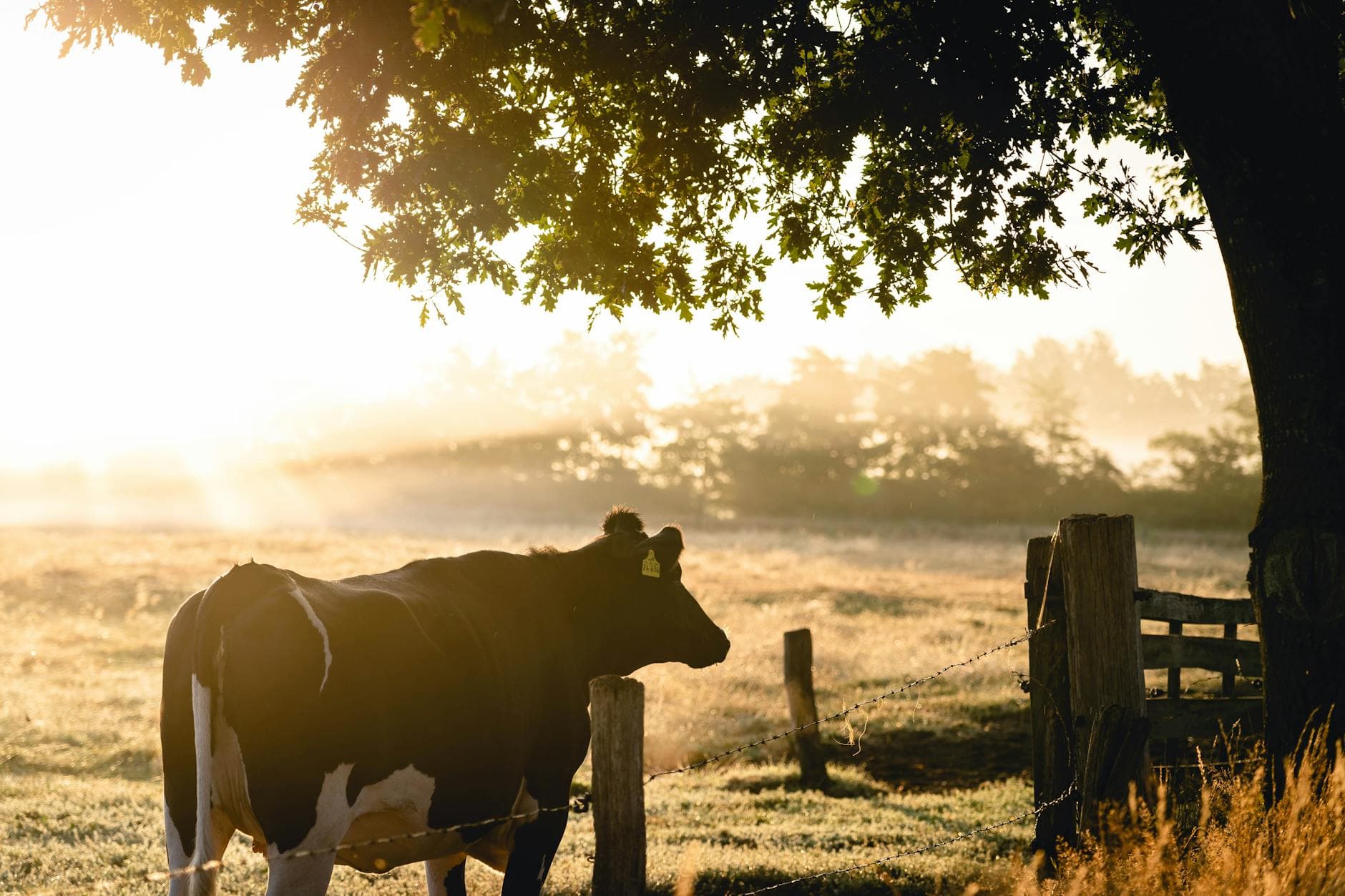
Farm Fencing in Wilmington NC
Professional agricultural fence installation for livestock, pastures, and farm properties
Farm Fence Solutions
Comprehensive fencing solutions for all types of agricultural and farm needs
Livestock Fencing
Secure fencing solutions for cattle, horses, sheep, and other livestock.
- High-tensile wire fencing
- Electric fence options
- Barbed wire fencing
Pasture Fencing
Durable fencing for pasture management and rotational grazing systems.
- Portable electric fencing
- Permanent pasture fencing
- Multi-wire systems
Electric Fencing
Electric fencing systems for effective livestock control and management.
- Solar-powered systems
- AC-powered systems
- Battery-powered systems
Farm Fence Applications
Fencing solutions for various agricultural and farm needs
Livestock Management
- Cattle and horse containment
- Sheep and goat fencing
- Pig and poultry fencing
- Predator protection
Property Management
- Property boundary marking
- Access control gates
- Road and driveway protection
- Equipment storage areas
Benefits of Professional Farm Fencing
Why choose professional farm fencing installation
Livestock Security
Secure containment and protection for your livestock
Durability
Long-lasting fencing that withstands weather and use
Efficiency
Efficient livestock management and pasture rotation
Expert Installation
Professional installation with agricultural expertise
Fencing by Livestock Type
Different animals have different containment needs, escape behaviors, and safety concerns. Choosing the right fence for your specific livestock prevents injuries, escapes, and wasted money on the wrong fencing type.
Horse Fencing
Horses require fencing that is highly visible and free of sharp edges, protruding hardware, or small openings where hooves can get caught. The most important factor in horse fencing is safety. Horses are flight animals that will run through or into a fence when startled, so the material must either be strong enough to contain them without causing injury or flexible enough to give way without cutting or entangling. Barbed wire should never be used for horse fencing under any circumstances, as it causes severe lacerations and entanglement injuries that can be fatal.
The minimum recommended height for horse fencing is 54 inches (4.5 feet), with 5 feet preferred for larger breeds and stallions. Board fence (3 or 4-rail) is the traditional choice for horse farms in the Wilmington area and provides excellent visibility and strength. Vinyl post-and-rail offers the same classic look with zero maintenance and no risk of splintering. High-tensile polymer coated wire is an increasingly popular option that combines the cost efficiency of wire fencing with a smooth, visible barrier that prevents injury. No-climb mesh attached to wooden posts is a safer alternative that prevents horses from putting their heads through the fence. Electric tape or rope can be added as a psychological barrier to keep horses off the fence, extending its lifespan. Smooth, visible barriers are the key principle: if a horse can see the fence clearly and the fence has no sharp components, the risk of injury drops dramatically.
- Board fence (3 or 4-rail) for visibility
- Vinyl post-and-rail for zero maintenance
- High-tensile polymer coated wire
- No-climb mesh prevents hoof entanglement
- Electric tape/rope as a standoff barrier
- Min 54" height, NO barbed wire ever
Cattle Fencing
Cattle are large, powerful animals that test fences regularly, and any fence system must be engineered to contain animals weighing 1,000 pounds or more. The primary concern with cattle fencing is strength, particularly at corner and gate posts where tension and pressure are greatest. A bull or a group of cattle pushing against a weak fence will bring it down quickly, making proper bracing and post depth critical to the installation. A minimum height of 48 inches is required for most cattle breeds, though 54 inches is recommended for operations with bulls.
High-tensile wire (typically 3 to 5 strands) is the most economical option for large cattle operations, offering excellent strength at a low per-foot cost. Barbed wire (3 to 5 strand configurations) remains common for range cattle and large pastures where visual barriers are less important than deterrence. Woven wire provides a solid physical barrier that prevents calves from slipping through. Pipe fence (heavy-gauge steel tubing) is the most durable option for high-traffic areas like loading pens, working alleys, and bull lots, easily withstanding direct impact from 1,000+ pound animals. Cattle fencing should be 48 to 54 inches tall with strong corner posts set at least 3.5 feet deep.
- High-tensile wire for large pastures
- Barbed wire for range cattle
- Pipe fence for pens and working areas
- 4-5 ft height, strong corner bracing
Goat Fencing
Goats are notorious escape artists. They climb, squeeze through small openings, and will stand on anything near the fence to get over it. Woven wire (no-climb) fencing with small openings (2x4 inch mesh maximum) is the gold standard for goat containment. The mesh must be tight enough that goats cannot push their heads through and get stuck. High-tensile wire alone is not sufficient for goats because they will push through or between the strands.
Fencing should be at least 48 inches tall, though 5 feet is recommended for breeds like Nubians that are particularly agile climbers. Electric reinforcement (a hot wire along the top and sometimes along the bottom) is often necessary to discourage climbing and leaning. Solar-powered energizers work well for goat pastures in remote areas. Inspect the entire fence line regularly for spots where goats have been testing the fence.
- Woven wire (no-climb) with small mesh
- 4 ft minimum, 5 ft recommended
- Check for climbing spots regularly
Poultry Fencing
Poultry fencing serves a dual purpose: keeping birds in and keeping predators out. The biggest threat to chickens, ducks, and other poultry in the Wilmington area comes from foxes, raccoons, hawks, and stray dogs. Your fencing strategy must address both ground-level and aerial predators. Predator-proofing is the primary design goal for any poultry enclosure.
Hardware cloth (1/2 inch mesh) and welded wire with 1x2 inch mesh are ideal for permanent runs and provide the best predator protection. The bottom of the fence should be buried at least 12 inches underground or extended outward in an L-shape along the ground to prevent predators from digging under. Chicken wire works for daytime ranging areas but is not strong enough to stop determined predators like raccoons that can tear through it. Electric netting is excellent for rotational grazing and provides strong predator deterrence. Consider overhead netting or covered runs for areas with hawk pressure.
- Welded wire for permanent predator-proof runs
- Electric netting for rotational grazing
- Overhead netting for hawk protection
Farm Fence Types Explained
A detailed breakdown of each farm fence type, including typical costs, best applications, and what to expect from each option in the Wilmington and Cape Fear area.
Split Rail Fence
$8-15/ftSplit rail fencing provides a rustic, traditional look that is popular for defining property boundaries, lining driveways, and creating a pastoral aesthetic on rural properties. Available in 2-rail and 3-rail configurations with cedar or pressure-treated posts and rails. Split rail is one of the easiest farm fence types to install, making it a good choice for DIY-minded property owners or as a cost-effective way to cover long road frontages. While split rail is not designed to contain livestock on its own, it can be combined with welded wire or mesh to create a functional and attractive livestock barrier. The rustic aesthetic makes it particularly popular for horse farms and rural estates in the Wilmington area.
Best for: Property boundaries, decorative farm entrances, estate fencing. Not suitable for livestock containment without added wire mesh.
High-Tensile Wire Fence
$1-3/ftHigh-tensile wire is the most economical fencing option per acre for large agricultural properties. The wire is stretched to high tension between corner and brace assemblies, creating a strong barrier that flexes on impact rather than breaking. Corner bracing is the most critical component of a high-tensile installation. Poorly braced corners will fail, causing the entire fence line to sag. NC Fence Co. uses H-brace or N-brace assemblies rated for the tension load of your specific fence design.
Best for: Large cattle pastures, perimeter fencing for acreage properties, budget-conscious farm operations.
Woven Wire (Field Fence)
$2-5/ftWoven wire, commonly called field fence, is the most versatile farm fencing option. The graduated mesh design (smaller openings at the bottom, larger at the top) contains most livestock types including cattle, horses, goats, and sheep. Available in various heights and mesh configurations to match your specific livestock needs. Woven wire is attached to wooden or T-posts and provides a solid physical barrier that is more effective than wire-only systems for mixed livestock operations.
Best for: Mixed livestock operations, goat and sheep farms, properties with multiple animal types.
Electric Fence
$0.50-2/ftElectric fencing works as a psychological barrier, training animals to avoid the fence rather than physically containing them. It is the most affordable fencing option per foot and can be installed as a permanent system with energized high-tensile wire or as a temporary setup with portable posts and polywire. In addition to the per-foot wire cost, you will need an energizer (charger) which runs $100 to $400 depending on the power source and the length of fence it needs to charge. Solar-powered energizers make electric fencing practical for remote pastures without grid power access, which is common on larger properties in Brunswick and Pender counties. Electric fencing is an excellent deterrent and can also be used as a temporary system for rotational grazing setups that need to move frequently.
Best for: Temporary paddocks, rotational grazing, supplementing existing fences, remote pastures with solar power.
Board Fence
$10-20/ftBoard fence is the traditional horse fence that defines the look of equestrian properties. Three-rail or four-rail configurations with 1x6 or 2x6 treated lumber boards provide a strong, visible barrier that horses respect. Board fencing requires the most maintenance of any farm fence type, including periodic board replacement, painting or staining, and post inspection. Despite the higher cost and maintenance needs, board fencing remains the top choice for horse farms because of its superior safety and classic appearance.
Best for: Horse farms, equestrian properties, high-visibility pastures, farm entrances and road-facing fence lines.
Pipe / Metal Fence
$15-30/ftPipe fence (also called tubular steel or continuous fence) is the heavy-duty option for cattle operations that need maximum strength and longevity. Made from welded steel tubing, pipe fence can withstand direct impact from cattle without bending or breaking. It is the longest-lasting farm fence type, often outlasting the property ownership. Pipe fence is typically used for working pens, loading chutes, bull lots, and high-traffic areas rather than entire perimeter fencing due to its higher cost.
Best for: Cattle working facilities, loading pens, bull containment, high-traffic areas, property entrances.
Property Boundary Fencing
Installing farm fencing on the correct property line avoids expensive disputes and potential fence relocation. Here is what you need to know about boundary fencing in the Wilmington area.
Before installing perimeter fencing on a farm or large-acreage property, it is critical to know exactly where your property boundaries are. For properties that have not been recently surveyed, boundary markers may have shifted, been removed, or become overgrown. Installing a fence even a few feet onto a neighbor's property can lead to legal disputes, forced removal, and the cost of reinstallation on the correct line.
Survey Requirements
We strongly recommend a professional boundary survey for any perimeter fence installation on properties larger than 2 acres. A licensed surveyor will locate and mark the exact property corners and lines using metal pins and flagging. The survey cost ($300-800 for most farm properties) is a small fraction of the total fence investment and provides legal documentation of the boundary location. NC Fence Co. can recommend licensed surveyors in New Hanover, Brunswick, and Pender counties.
Setback Rules
Even on agricultural land, some municipalities require fence setbacks from the property line. In unincorporated areas of Brunswick and Pender counties, agricultural fencing is typically exempt from setback requirements, but properties within municipal limits or in planned developments may have restrictions. NC Fence Co. researches applicable setback rules for your specific property before installation begins.
Neighbor Agreements
North Carolina follows a "fence-out" tradition in many rural areas, meaning livestock owners are responsible for fencing their own animals in rather than expecting neighbors to fence them out. However, shared boundary fences can be cost-effective when both property owners benefit. We recommend a written agreement between neighbors before installing a shared boundary fence that covers cost-sharing, maintenance responsibilities, and access for repairs.
NC Fence Laws
North Carolina General Statutes Chapter 68 addresses livestock and fencing responsibilities. Livestock owners are generally liable for damages caused by their animals that escape due to inadequate fencing. Additionally, NC law provides that when a boundary fence is maintained by both parties, costs and responsibilities should be shared equitably. Understanding these laws before installing boundary fencing protects your legal position and investment.
Farm Fence Cost Per Acre Estimates
Farm fencing costs depend on the fence type, terrain, number of gates, and total acreage. Use these estimates to plan your budget for fencing projects in the Wilmington and Cape Fear area.
Perimeter Fencing Costs by Type
One acre requires approximately 835 linear feet of perimeter fencing
Most economical, strong, requires corner bracing
Temporary or permanent, solar options available
Versatile, contains most livestock types
Decorative, boundary definition
Traditional horse fence, high visibility
Heavy-duty cattle, longest lasting
Total Project Estimates by Farm Size
Small Farm (5 acres)
$3,000-15,000
~1,870 linear feet perimeter
Medium Farm (20 acres)
$8,000-40,000
~3,733 linear feet perimeter
Cross-Fencing Per Paddock
$1,000-5,000
Varies by paddock size and type
Acreage reference: A 1-acre lot has approximately 835 feet of perimeter. A 5-acre property needs roughly 1,870 feet. A 10-acre property requires approximately 2,640 feet.
Example: 5-Acre Perimeter (~1,870 ft) by Fence Type
Factors That Affect Farm Fence Cost
- Terrain: Flat, cleared land is the easiest and cheapest to fence. Wooded areas, steep slopes, creek crossings, and marshy ground add $2-5 per linear foot for clearing, grading, and specialized post installation.
- Gates: Each farm gate adds $200-1,500 to the project depending on width and type. A typical 12-foot farm gate costs $300-500 installed. Larger equipment gates (16-20 feet) run $500-1,500.
- Corner posts: Every direction change requires a heavy corner post assembly. Properties with irregular shapes need more corners, increasing cost. Each braced corner assembly adds $150-400.
- Access: Remote areas that require equipment to be transported long distances or across difficult terrain will add to the installation cost.
Use our fence cost calculator to estimate your specific project, or call NC Fence Co. at (910) 443-4113 for a free on-site estimate. We also install chain link fencing and residential fencing throughout the Wilmington area.
USDA/NRCS Cost-Sharing Programs for Farm Fencing
Federal cost-sharing programs can cover 50-75% of your farm fencing costs. The Environmental Quality Incentives Program (EQIP) is the most common funding source for agricultural fencing in North Carolina.
The USDA Natural Resources Conservation Service (NRCS) offers the Environmental Quality Incentives Program (EQIP) to help farmers and ranchers implement conservation practices on their land. Agricultural fencing is one of the most commonly funded practices under EQIP because proper fencing enables rotational grazing, protects waterways from livestock access, and prevents soil erosion on sensitive land. Farmers in New Hanover, Brunswick, and Pender counties can apply through their local NRCS office.
How EQIP Works
EQIP provides financial assistance on a cost-share basis, typically covering 50-75% of the eligible costs of installing conservation practices including fencing. You submit an application to your local NRCS office, and if approved, you enter into a contract that specifies the practices to be installed, the timeline, and the payment rates. The program is competitive, and applications are ranked based on the environmental benefit of the proposed practices.
Eligible Fence Types
EQIP funding is available for fencing that supports a documented conservation purpose. This includes perimeter fencing for prescribed grazing plans, cross-fencing for rotational grazing systems, riparian buffer fencing to exclude livestock from streams and wetlands, and wildlife exclusion fencing for sensitive habitat areas. The fence must be installed according to NRCS specifications, which NC Fence Co. is familiar with and can build to.
How to Apply
Visit your local NRCS office (the closest offices to Wilmington are in Bolivia for Brunswick County and Burgaw for Pender County). Bring documentation of your land ownership, a description of your farming operation, and a general plan for how fencing will support conservation on your property. NRCS staff will help develop a conservation plan and walk you through the application process. Application deadlines are typically in the fall for funding the following year.
Conservation Benefits
Fencing funded through EQIP supports important conservation goals in the Cape Fear watershed. Excluding livestock from streams reduces sediment and nutrient runoff that affects water quality downstream. Rotational grazing enabled by cross-fencing improves soil health, increases forage productivity, and reduces the need for supplemental feeding. These environmental benefits make agricultural fencing one of the highest-priority practices for NRCS funding in southeastern North Carolina.
Proudly Serving All Wilmington Fence Companies Needs In:
We're proud to be among the most trusted fence companies in Wilmington NC, serving homeowners and businesses throughout New Hanover County and surrounding areas.
Primary Service Areas
Our service area extends 30 miles from downtown Wilmington, ensuring we can meet the fencing needs of communities throughout the Cape Fear region.
All Service Areas
Browse all locations we serve
Wilmington NC
Main service hub - All zip codes
Wrightsville Beach
Coastal fence specialists
Leland NC
Suburban & HOA communities
Oak Island
Beach community & vacation homes
Hampstead NC
Coastal and affluent residential
Serving fence customers throughout southeastern North Carolina. Read our complete guide to North Carolina fence companies for statewide insights and information.